Direkt zum Inhalt wechseln

Leaving no one behind in humanitarian action – Disability inclusion in emergencies 

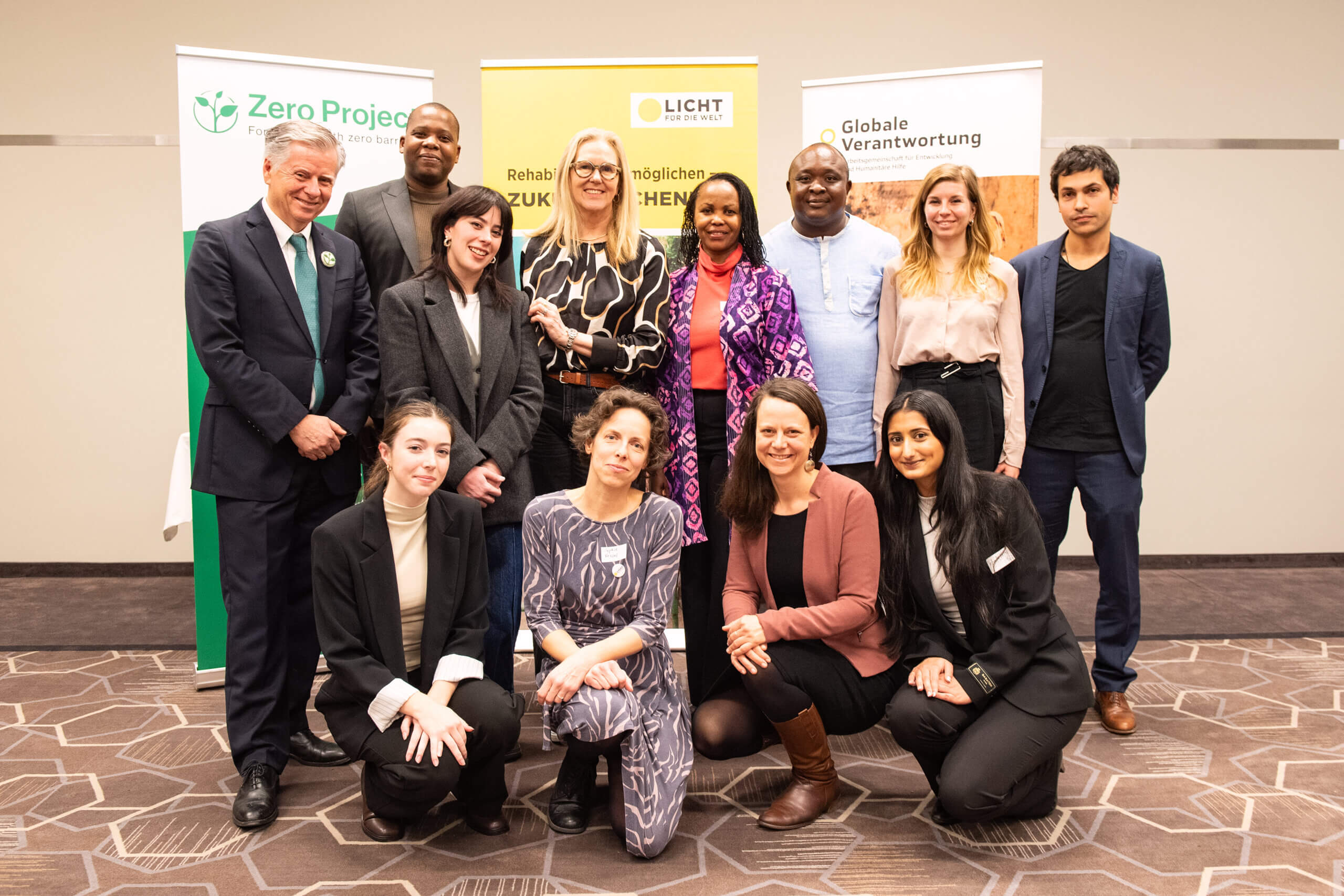
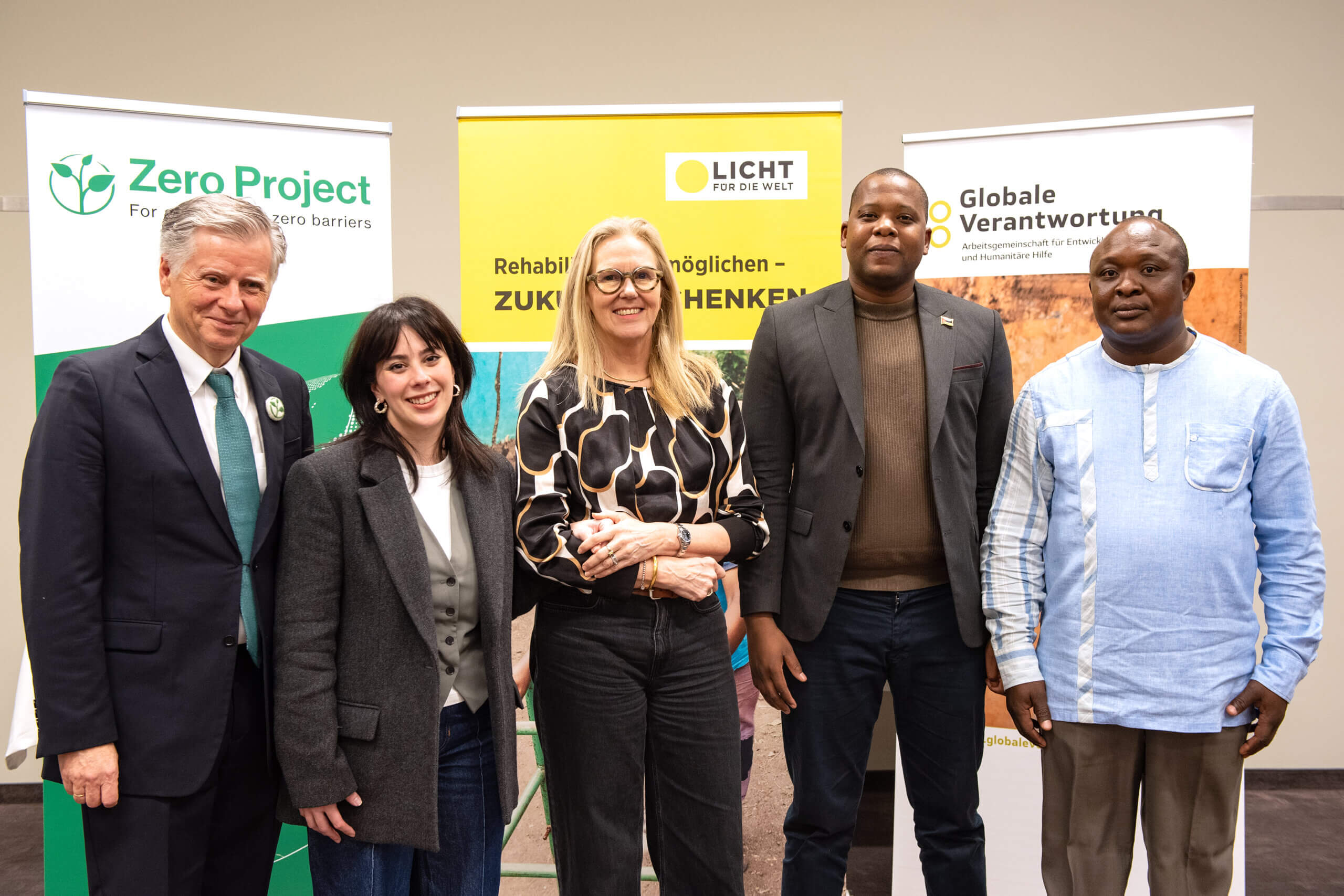
On the picture you can see 6 people, two women and three men. They are taking part in a panel discussion on inclusive humanitarian action, which took place in Vienna. It was organized by Light for the World.
© Global Responsibility

On 17 February 2026 Light for the World, Global Responsibility and Zero Project hosted a panel discussion on disability inclusive humanitarian action as part of International Partnerships Austria.

Ioanna Tsigiridi, innovation manager for disability and older age inclusion at Elrha’s Humanitarian Innovation Fund (HIF) moderated the event. Elrha aims to bridge the gap between research, innovation, and humanitarian practice by encouraging collaboration across disciplines, sectors, and regions, supporting locally led and community-driven solutions and promoting evidence-based humanitarian innovation.

In her opening words, Marion Lieser, CEO of Light for the World, stressed that when emergencies strike, people with disabilities are up to four times more likely to die. Yet they are often overlooked in disaster management and humanitarian planning, data collection and decision-making. 16 % of the global population have a disability and 80 % of persons with disabilities worldwide live in lower income countries. However, in humanitarian contexts, the number of persons with disabilities is often even higher.
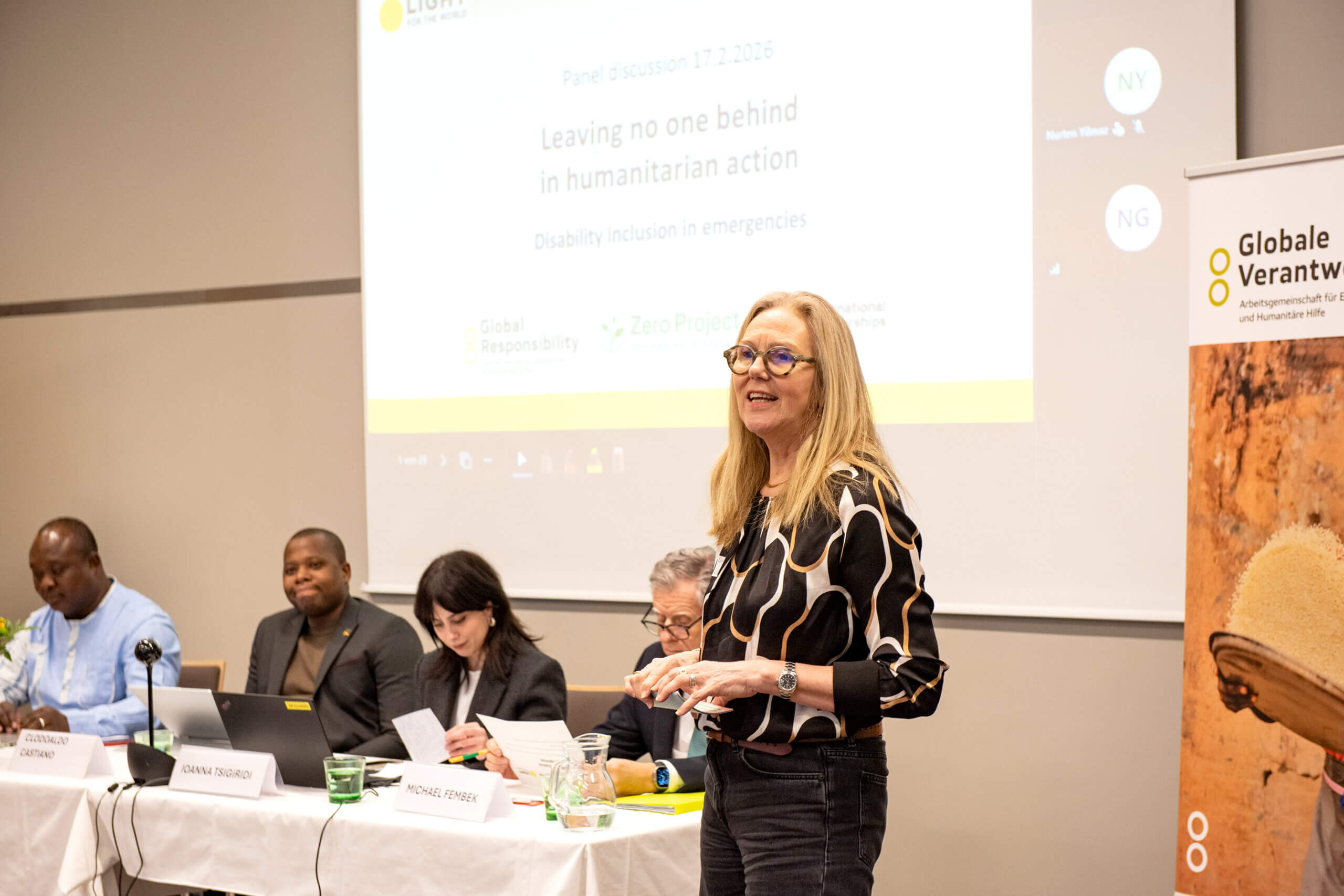
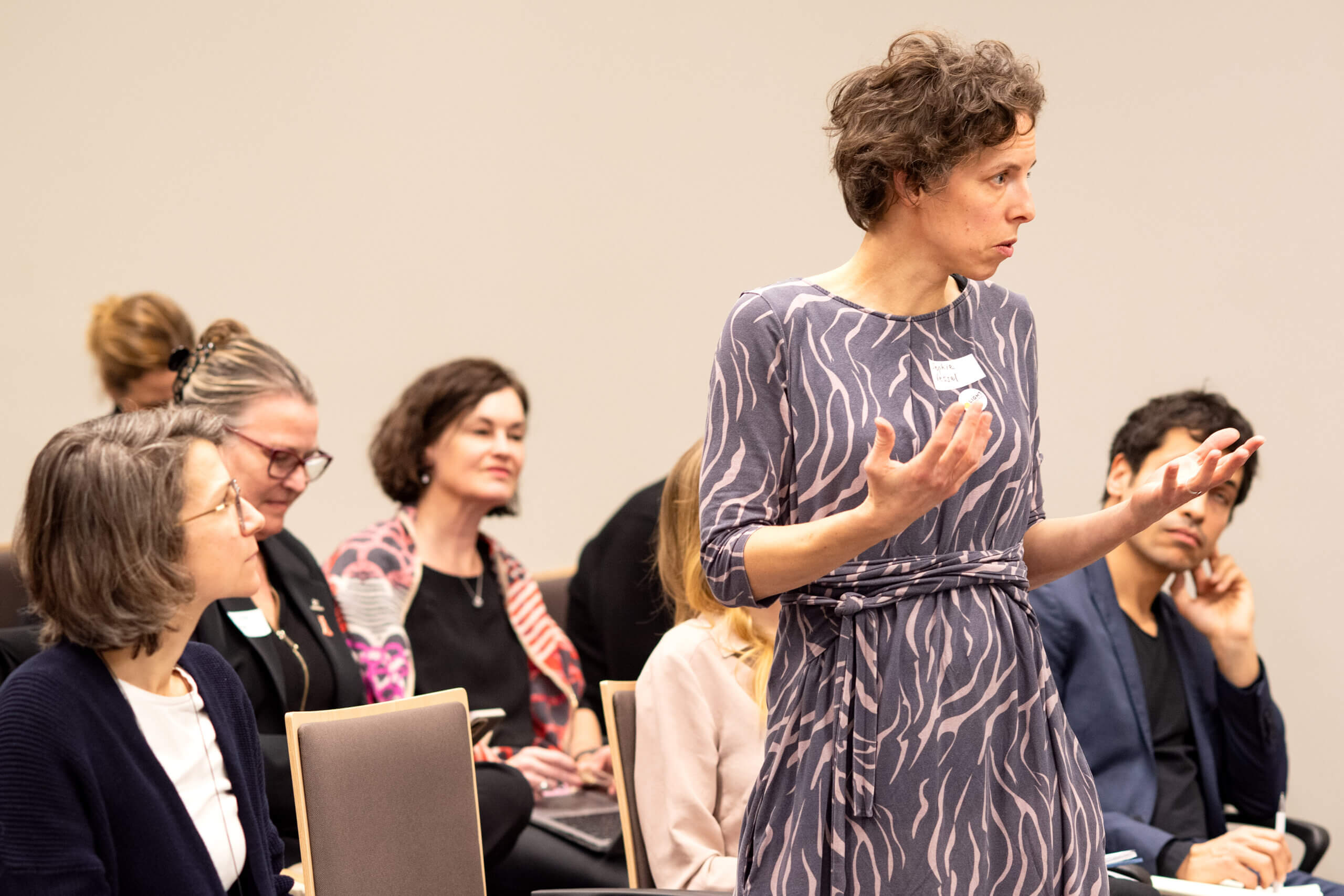
On the picture you can see a woman in her middle age. She wears a black pants and a black blouse with white spots on it. She wears glasses and has midlong hair. She is currently speaking to an audience at a panel discussion around inclusive humanitarian action. The woman is the CEO of Light for the World.
© Global Responsibility

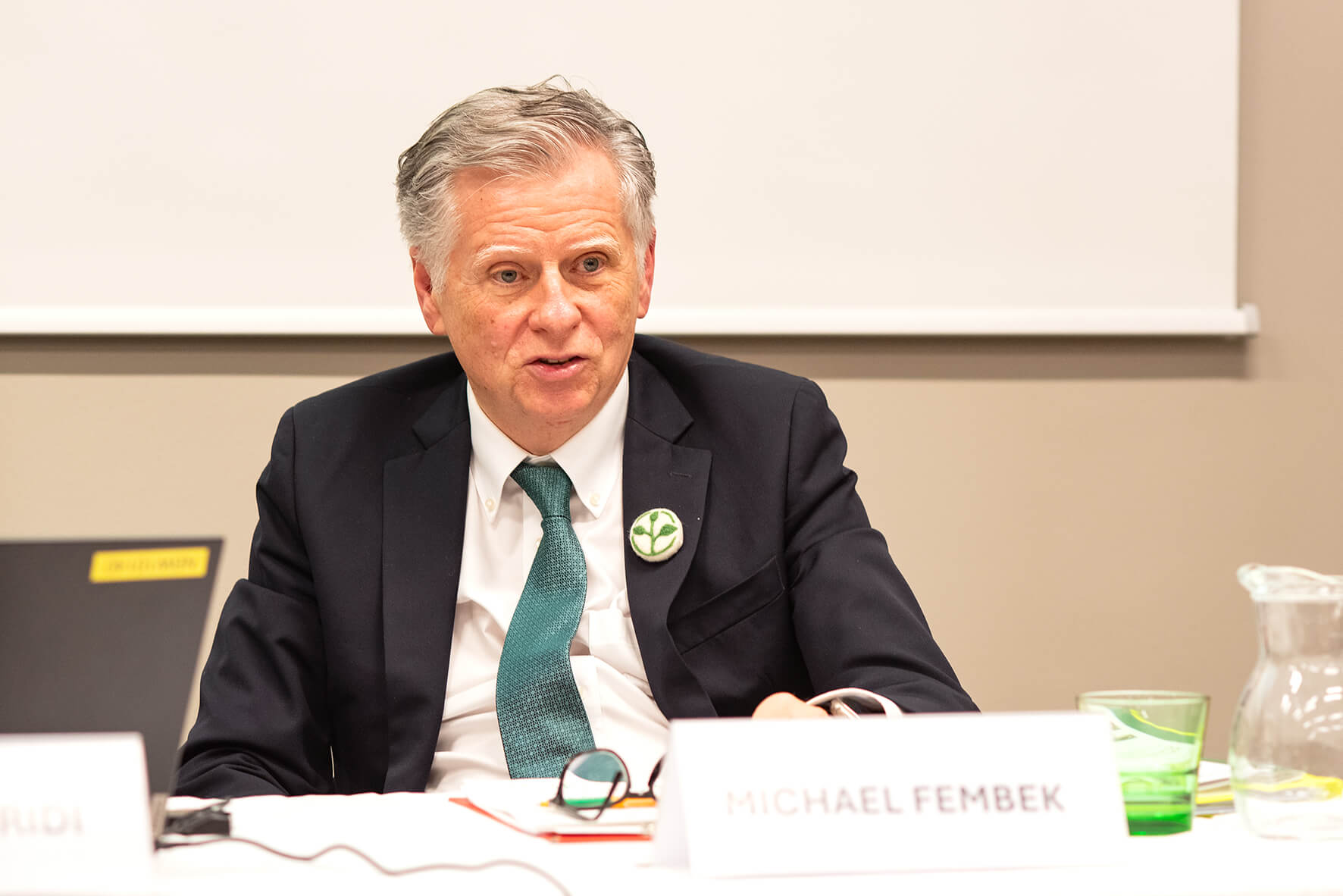
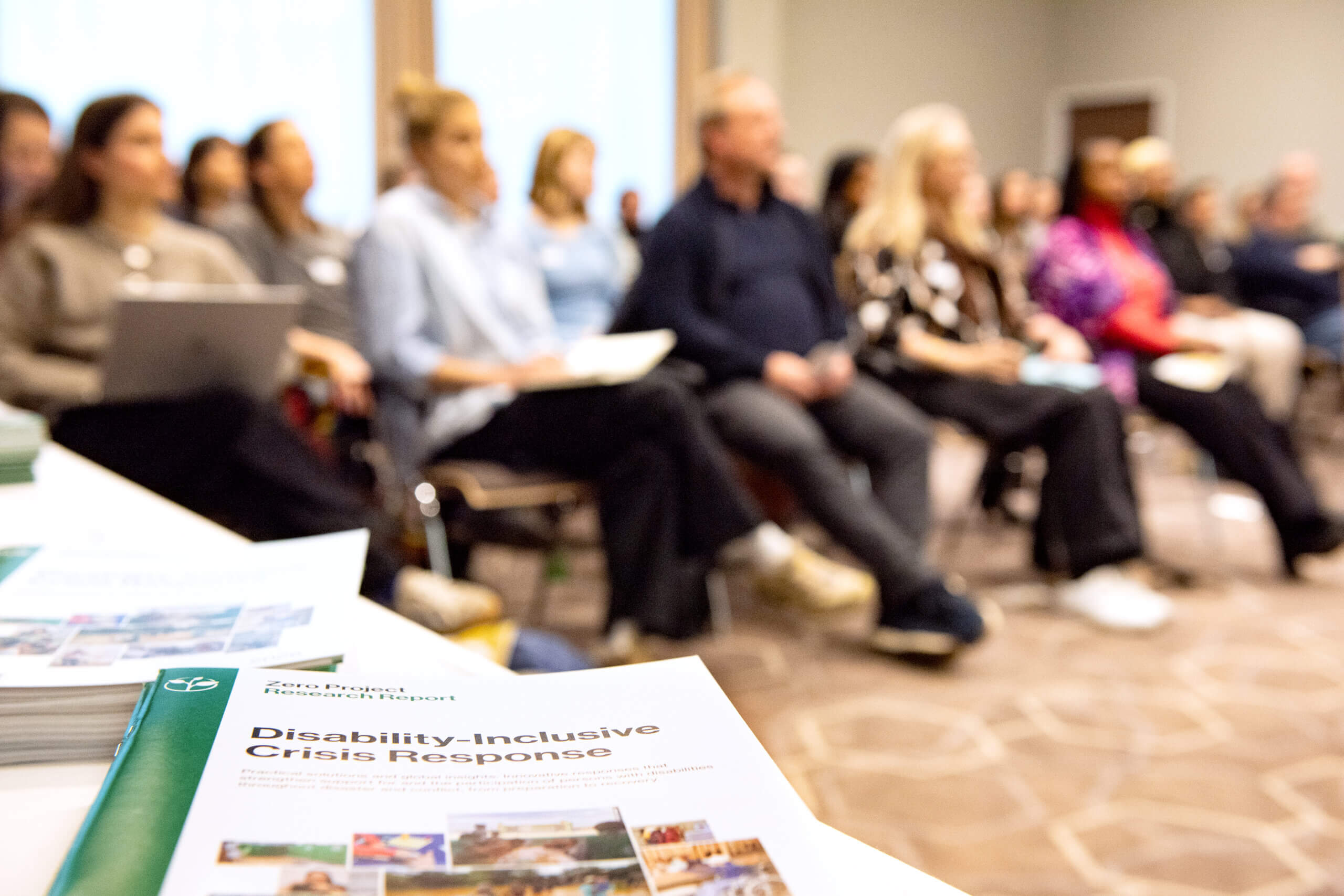
Michael Fembek, CEO of the Zero Project, launched the Zero Project Crisis Response Report. Based in Vienna, the Zero Project is a global and research-driven initiative to advance the implementation of the Convention on the Rights of Persons with Disabilities (CRPD) by finding and sharing innovative solutions that remove barriers for persons with disabilities. On the following day, the Zero Project Conference 2026 started and for the first time, crisis response was one of its focus topics.

The Zero Project Crisis Response Report is a joint effort by the global Zero Project Network, showcasing practical solutions and global insights on innovative responses that strengthen support for and the participation of persons with disabilities throughout disaster and conflict, from preparation to recovery. For example, how the Japanese city of Beppu serves as a model city for inclusive crisis response during emergencies and how Turkey ensured inclusive education after an earthquake. The report includes checklists and actionable content as well as responses to arguments against disability inclusion in crisis response.

Michael emphasized that innovation is sometimes understood as a higher risk in crisis response. However, good practices can be replicated – technical solutions, such as sign language support via video calls, have for example proven to be successful.

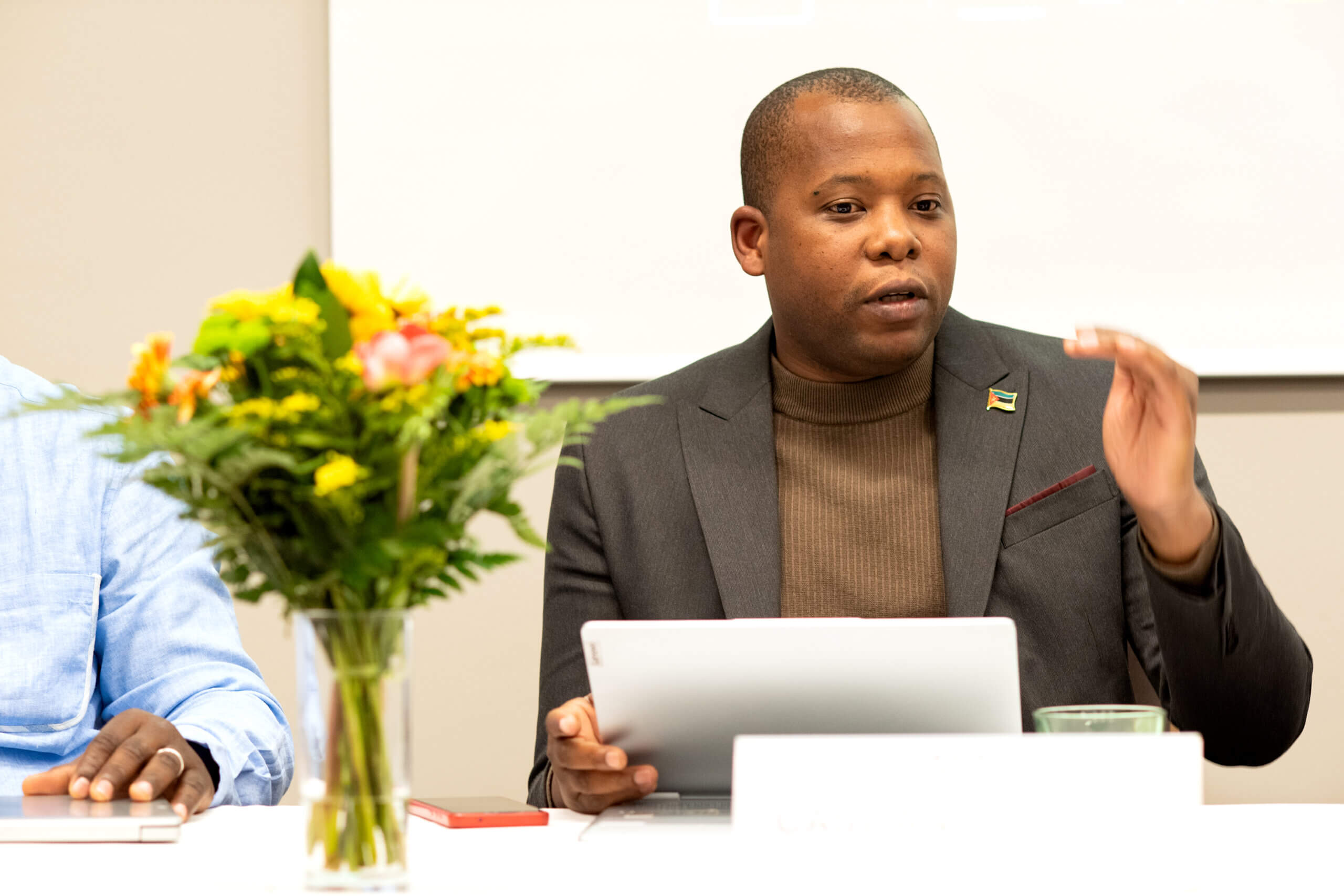
Clodoaldo Castiano, executive director of FAMOD, an umbrella organisation representing organisations of persons with disabilities (OPDs) in Mozambique, shared that FAMOD originally focused on advocacy but evolved as humanitarian crises like the heavy floods a few weeks ago have intensified. FAMOD strengthens the preparedness at community level, supports communities to respond when crises strike and holds governments and humanitarian actors accountable for inclusive response.

On the picture you can see a man wearing a suite. He is sitting on a table and obviously talking. He is talking about inclusive humanitarian action. On the table you can see some documents and a bouqet of flowers.
© Global Responsibility

Identifying and understanding the specific needs of people with disabilities in crises is key. In collaboration with Light for the World and with support from Elrha, FAMOD developed a disability-inclusive data collection tool. A key success factor was that persons with disabilities were directly involved in designing and using the tool and collected data from more than 2,400 people. Such participation strengthens both data quality and policy influence.

Cloadoaldo shared that FAMOD is working to diversify its membership, particularly increasing representation of women with disabilities, who historically faced barriers such as lack of education and public participation. Inclusive leadership is essential for legitimacy and effective advocacy. He stressed that OPDs must also be included in local climate adaptation planning an disability must be integrated into climate policies.

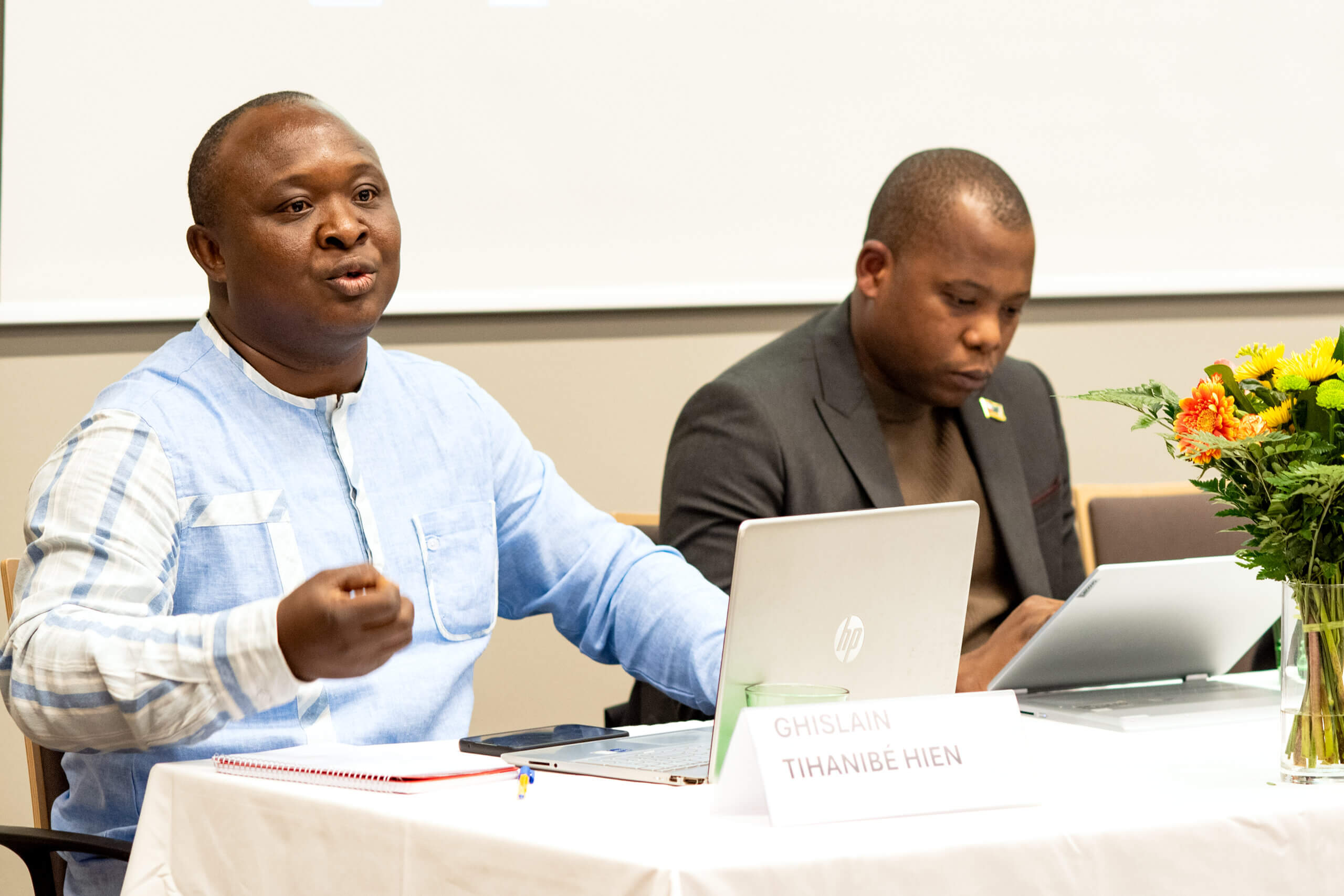
Ghislain Tihanibé Hien, project manager at Light for the World Burkina Faso presented the IMPACT-BF project of Light for the World which promotes inclusive humanitarian action as part of International Partnerships Austria and received a Zero Project Award for innovative disability inclusion. He stressed that persons with disabilities must lead their own advocacy and be meaningfully involved in humanitarian response.

On the picture you can see a man who is sitting on a table. He is currently speaking to a audience about inclusive humanitarian action. Some documents are lying in front of him.
© Global Responsibility

He pointed out that humanitarian actors often involve OPDs only for assessments, but not the development and implementation of projects. Inclusion often fails not due to unwillingness, but due to lack of knowledge. Therefore, Light for the World focuses on training humanitarian actors to design inclusive responses providing practical frameworks and guidance and supporting OPDs to influence humanitarian processes.

Light for the World follows and promotes the Must-do-actions by the Inter-Agency Standing Committee (IASC).

Nurten Yilmaz, programme specialist for disability inclusive humanitarian action at UNICEF, participated online and emphasised that disability intersects with gender, age, and other vulnerabilities. For example, girls with disabilities face compounded exclusion and have a higher risk of experiencing gender-based violence.

She recognized that OPDs are often the first responders and stay when others have left. When OPDs are included, programmes become more representative and equitable. Risk-informed and rights-based programming improves, and humanitarian responses become more effective.

She stressed the principle:

Nothing about us without us. 

Without the leadership of persons with disabilities, there is no disability inclusion. But if they do lead, there is a shift from goodwill to governance and its leads to localization.

Inclusion does not compete with other priorities, but it intersects with them. Current humanitarian conditions involve increasing crises, growing needs and declining resources. The humanitarian reset aims to make the system more locally led and efficient and is both a risk and an opportunity for disability inclusion. While aligned with inclusion principles, risks include simplification may remove safeguards, efficiency may prioritize speed over accessibility and OPDs may be excluded if not recognized as humanitarian actors. However, true reform requires shifting power toward the most excluded populations and disability inclusion can be institutionalized, e.g. by clustered indicators along different vulnerabilities and changed funding criteria.

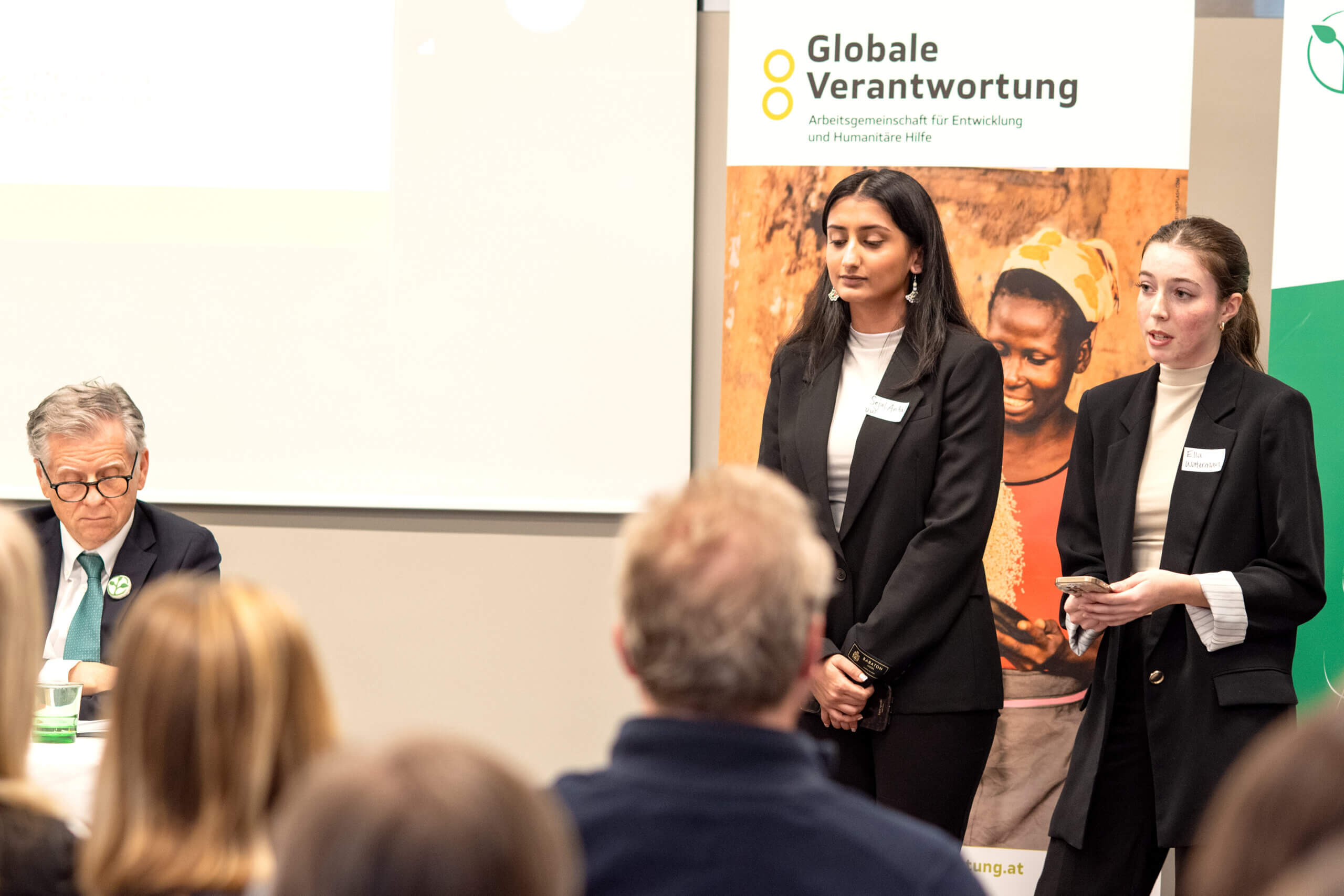
Ella Waterman and Sejal Antal, two researchers from the University of Washington, made aware of their current research on ensuring the human rights of older women in humanitarian emergencies.

On the picture you can see two woman standing in front of an audience and talking to them. They are speakers during a panel discussion around inclusive humanitarian action. They are both wearing a black suite and a white blouse.
© Global Responsibility